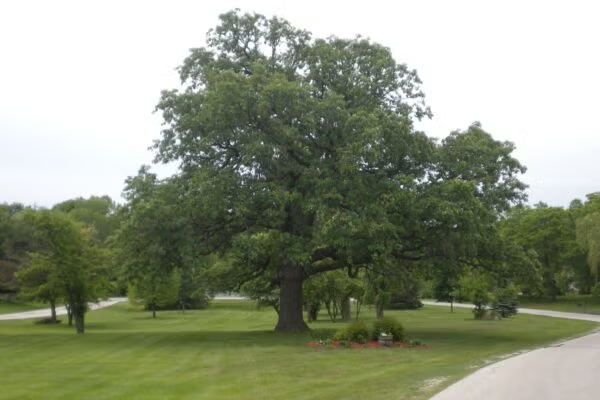
Homeowners often want to know, “What is a low maintenance, fast-growing shade tree for my yard?”. An honest arborist would respond with a few ideas, but there would be hesitation regarding the “low maintenance” part of the initial question. The hesitation is that with...
Shrub & Plant Care Newsletters
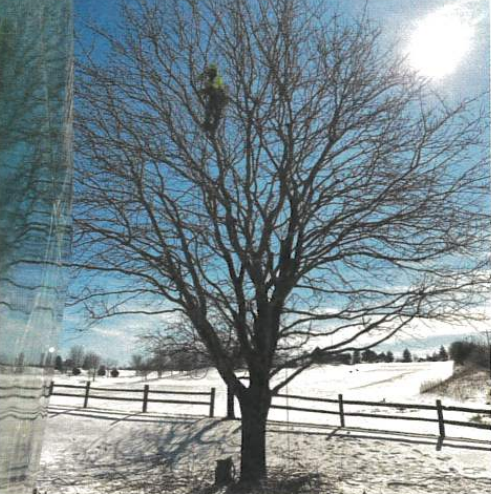
View All NewslettersThe big snowstorm in January and its after math certainly dominates the big picture and has laid down a few hair-pin turns as we navigate a new year’s tree and landscape season. While snow totals were heaviest in the western parts of the metropolitan area, and tree...
It’s very common for a homeowner to wait for an issue to develop before taking action. Unfortunately, waiting until a problem becomes visible can wind up being very costly and destructive. A perfect example of this might be the roof of your house. Waiting for a leak...
The last few seasons have shown a combination of above-normal heat and droughty conditions, and we are beginning to see the impacts unfold in our trees. One of the more concerning symptoms is tip dieback, where the tree struggles to push growth at its outermost branch...
Water from snow melt, excess seasonal rainfall, and overland drainage settling into the lowest area(s) of a property can cause a common spring experience—temporarily wet areas in the yard. They might cause actual wet feet for homeowners, but these wet spots also cause...
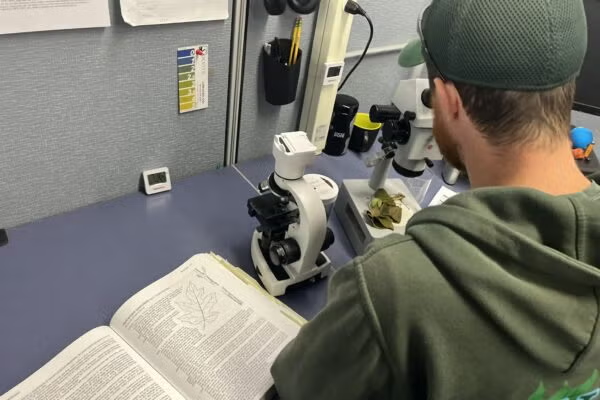
At its core, science is about asking testable questions and exploring potential answers. As an ISA Certified Arborist, I find this approach invaluable in our quest to understand and care for trees more effectively. Because we love the science that helps us care for...
Situational awareness is a term often used in the military or security forces. It describes the need to be aware of hidden or potential dangers when entering a location, to know all possible entrances and exits that an enemy may come from, and to plan for exit...
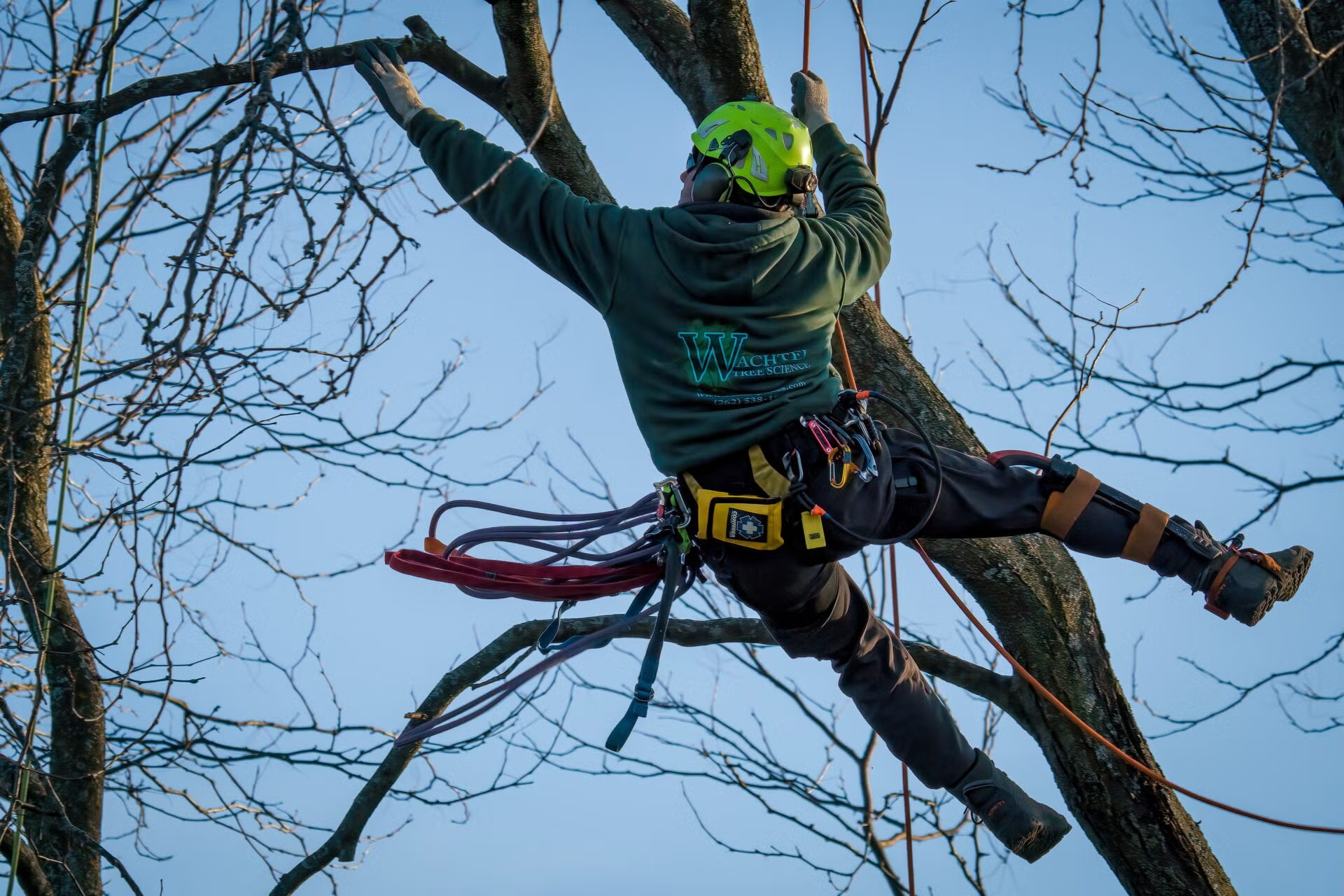
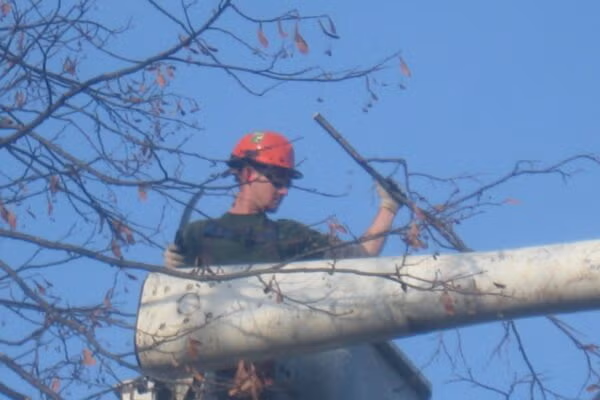
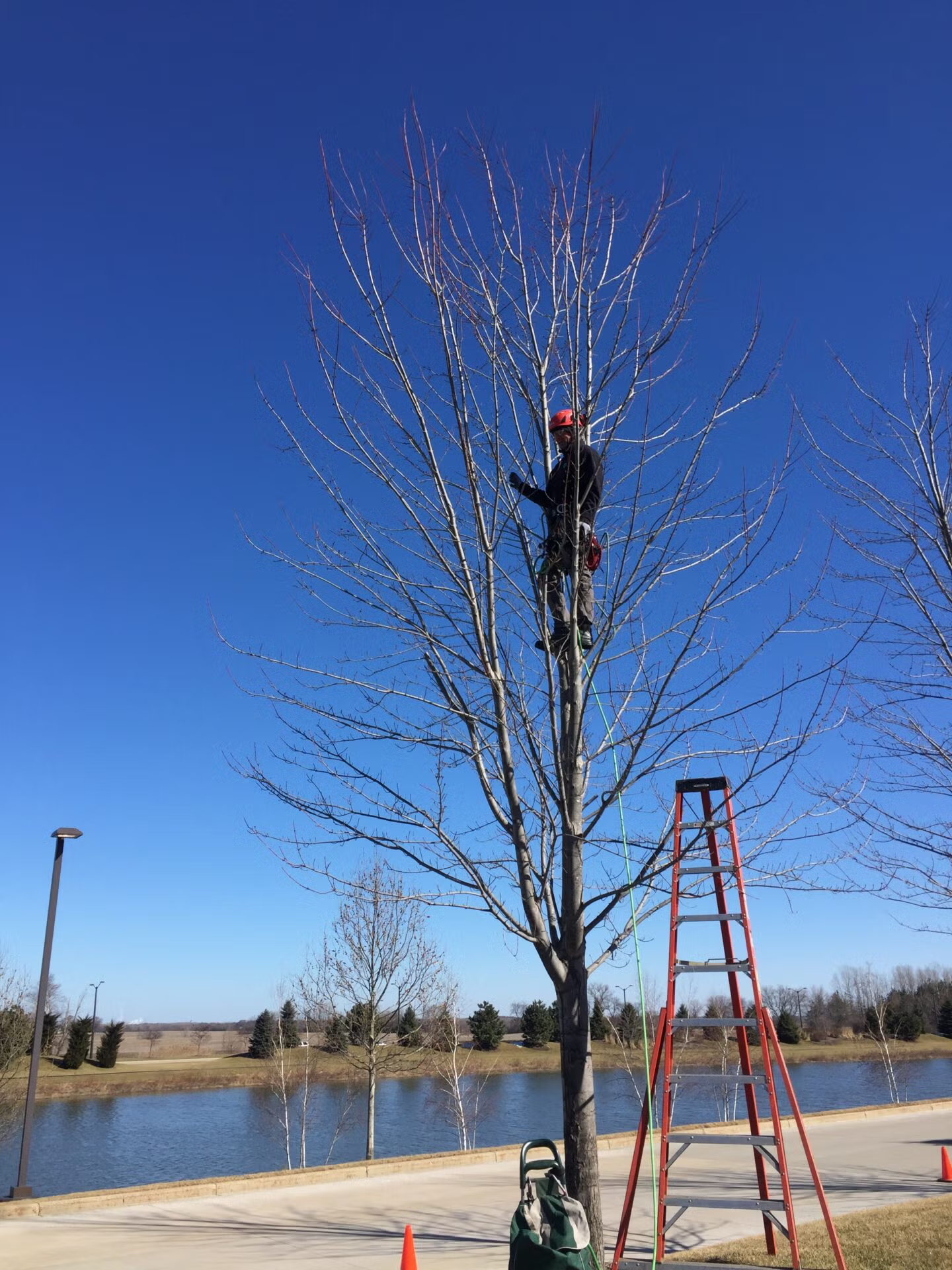
Although it may sound easy (and Wachtel Tree Science crews may make it look easy), pruning a tree to the ANSI A300 standards can be more complex than you may think. The American National Standards Institute (ANSI) is an organization that writes standards by which...
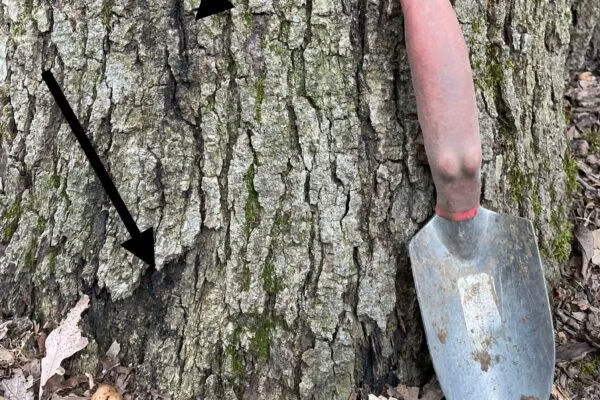
Trees display their health through a variety of indicators seen above ground. Observations such as leaf shape/color, bark wounds, twig growth, and insect activity can all give clues to a tree’s health and possible issues. Our Certified Arborists interpret these...
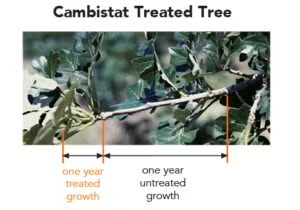
Cambistat is a product that specializes in reducing tree canopy growth. Its active ingredient Paclobutrazol causes a hormonal change in trees which slows the growth of the canopy. It does this by interacting with two of the hormones that lead to canopy growth in...
We’ve had it again: the kind of weather that breaks records. Three years ago, we had a record-breaking wet spring; this spring has broken that record. Wet weather has dominated the first half of the 2024 growing season. Evidence of thriving fungi is everywhere to be...
Whether you’re training a young tree or managing a mature tree, structural pruning is a crucial practice that can help in sustaining the heath and aesthetics of your tree. This technique involves carefully removing certain branches to optimize the overall structure...
Wisconsin is home to a range of native coniferous and deciduous trees that provide many benefits to your property. Well placed trees can reduce your cooling costs in summer by providing shade, act as a windbreak against bitter winter winds, decrease stormwater runoff...
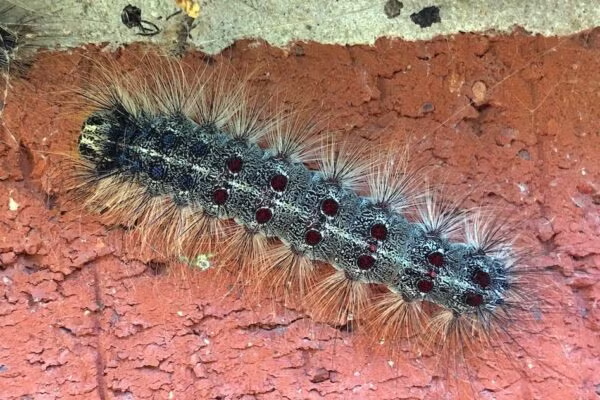
For those of you who have not yet experienced the impacts of spongy moth activity…beware! For those of you who have, it should come as no surprise that the populations are forecasted to continue to rise and spread throughout Wisconsin. According to the WI-DNR, the...
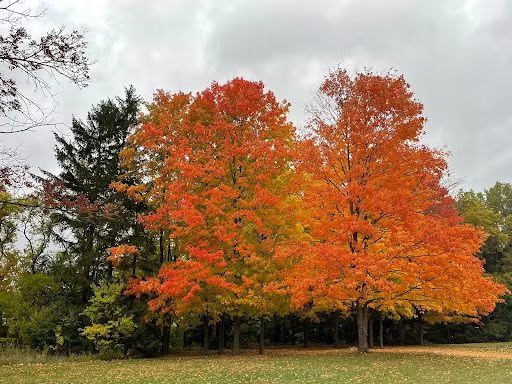
Anyone that has seen the vibrant autumn foliage of maple trees could argue that they are one of the most beautiful broad-leaved trees. Wisconsin residents, along with residents from New York, West Virginia, and Vermont, can be proud that the sugar maple was selected...
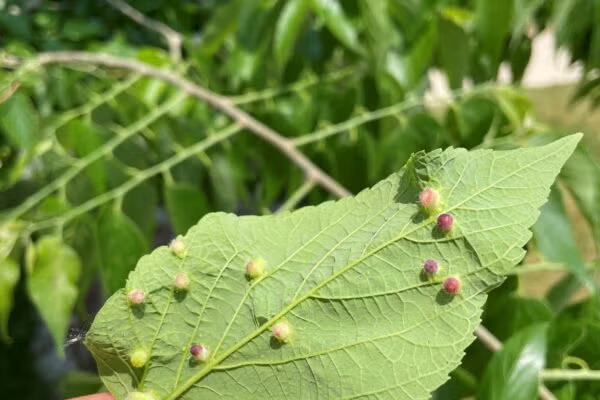
Like something out of a children’s story book, galls come in many different shapes and sizes. Galls are also a common type of damage affecting tree leaves, needles, and/or twigs. Their size and shape can range from pointy to round and small or large. The color of a...