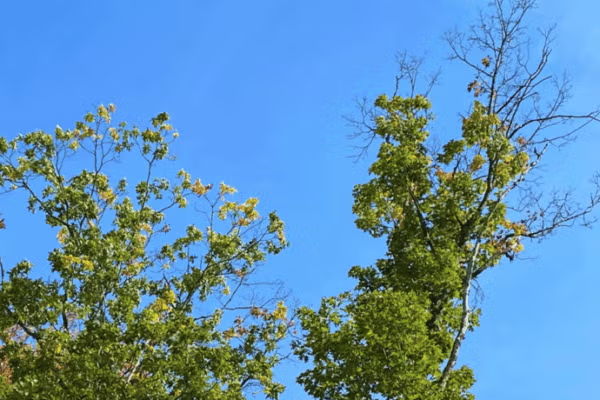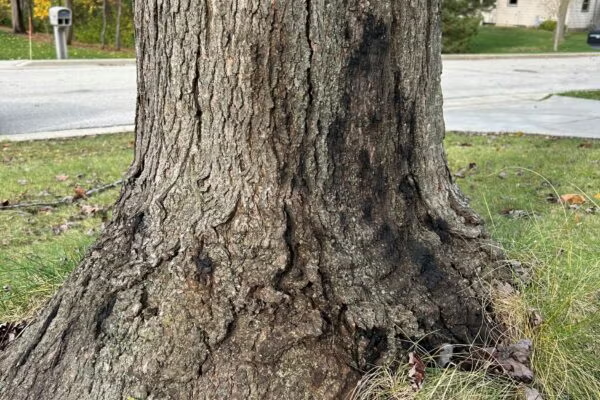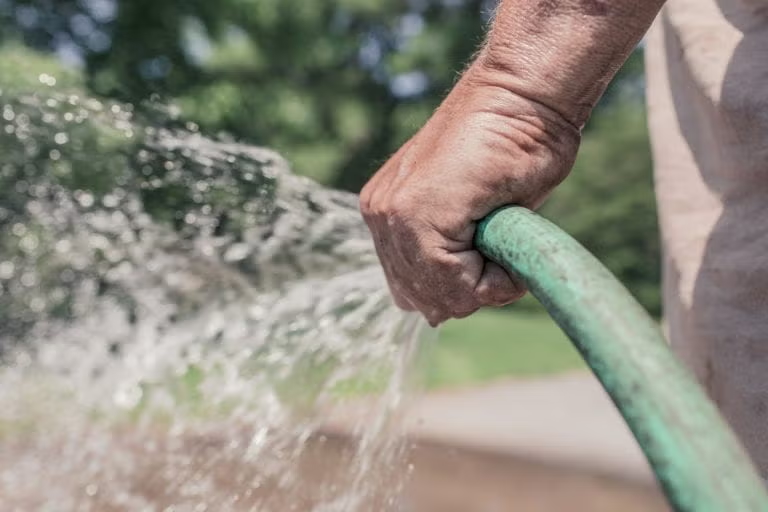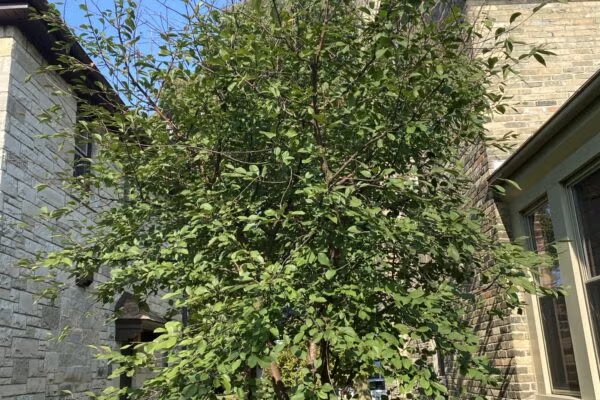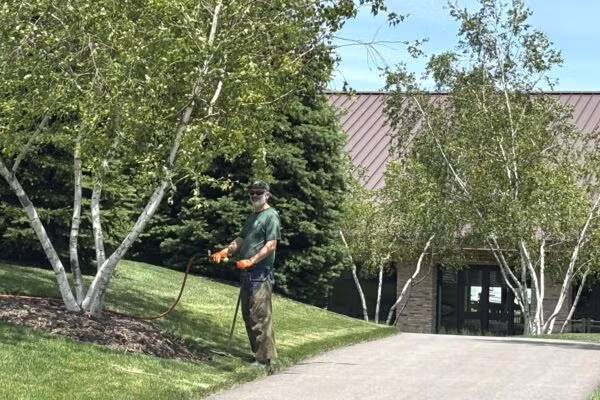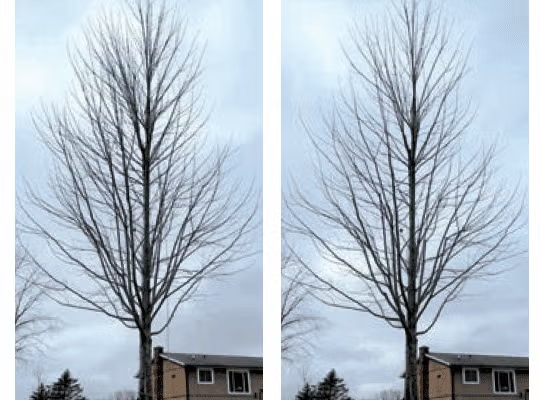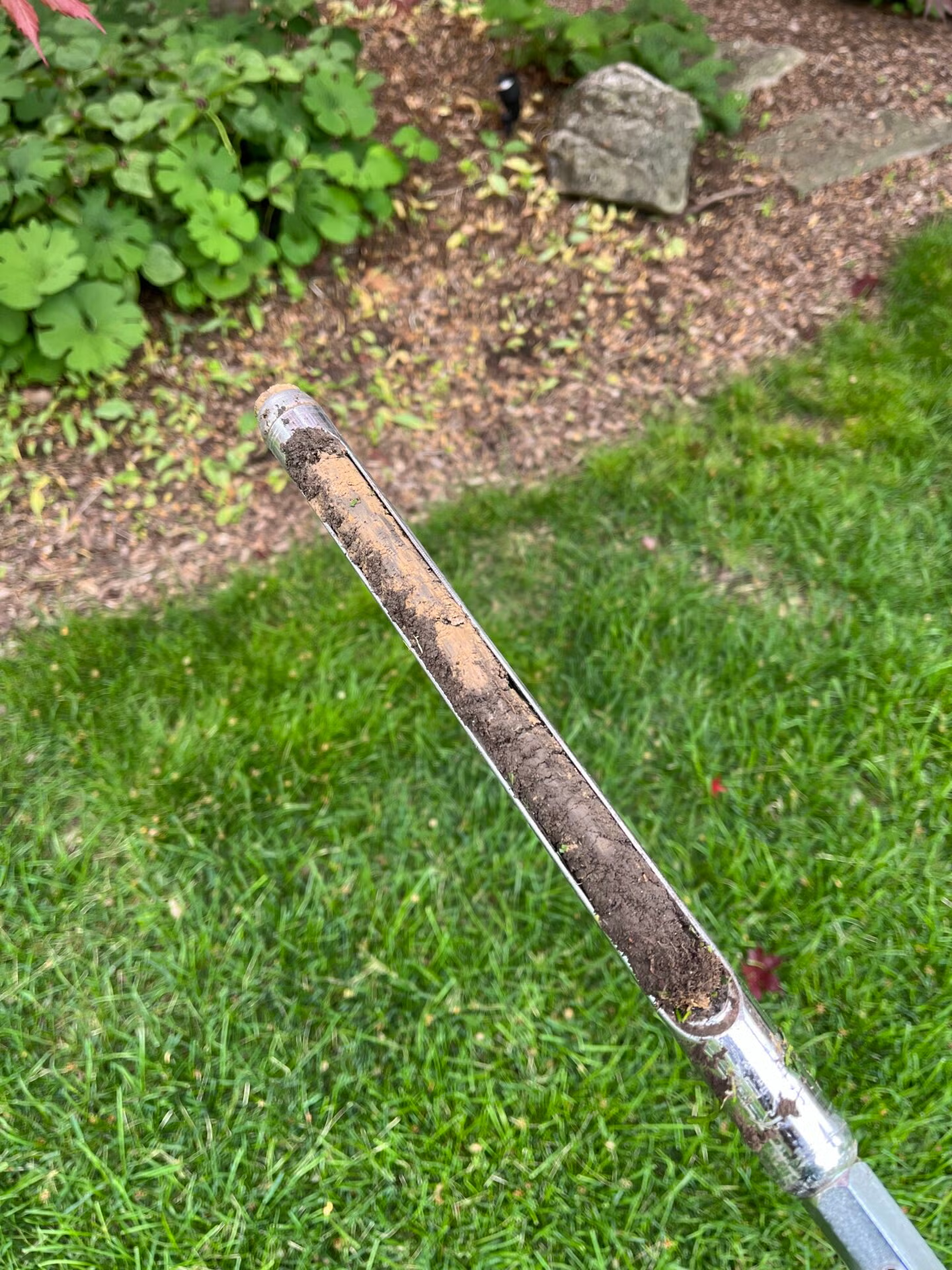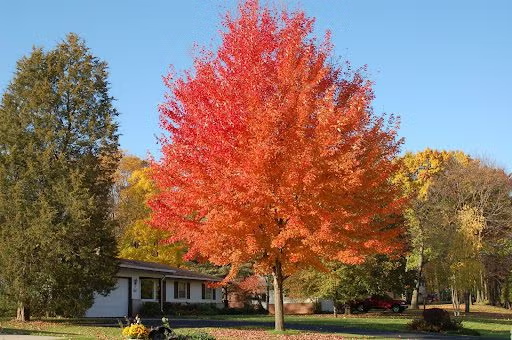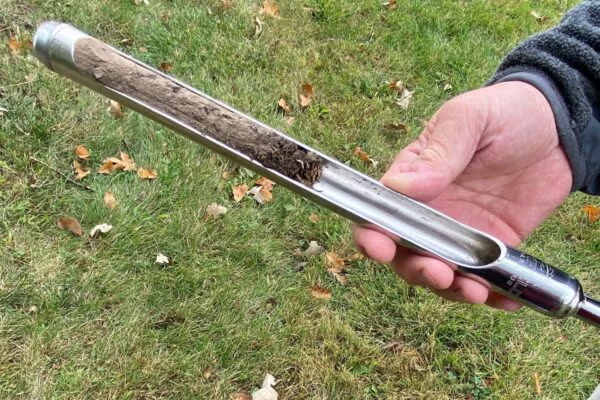

You’ve built or bought a new home; the land has been developed, and you want your trees and shrubs to live long, healthy lives. Where should you begin? The easy answer: call Wachtel Tree Science! Of course we’d say that, but here’s why: Soil health is the key to plant...
- Home
- /
- Summer
Summer Newsletters
View All NewslettersHaving a young tree in your yard can be very exciting. Whether it was planted by you, a contractor, or previous owner, watching a tree grow from a small sapling into a mature specimen is a fulfilling experience. With any young member of the family—pet, child, or your...
The two-lined chestnut borer was once a principal pest of American chestnut trees. Now that most American chestnuts have died due to chestnut blight, it has become a common secondary pest of oaks. It is likely one of the most important insect causes of oak mortality....
Root rots damage trees and shrubs by attacking and killing smaller roots and then progressing to larger and larger roots as favorable conditions persist. The alternating wet and drought periods experienced over the last few years were especially conducive to root rot...
Learn from our Certified Arborists how to give your new trees the best start possible! In this video, we walk you through: Proper watering techniques for container-grown and B&B trees. Step-by-step tree planting demonstrated by our team of ISA Certified Arborists....
Job Title: Plant Health Care Assistant Manager Industry Certifications: Certified Arborist, Certified Tree Care Safety Professional (CTSP), Certified Pesticide Applicator, CDL Education: Bachelor's of Science in Forestry and Certificate in Environmental Science from...
This spring, winter damage manifested in an abundance of ways: Western arborvitaes, ‘Green Giant’ hybrid arborvitaes, some juniper varieties, Scots pines, limber pines, Austrian pines, and other needle evergreens showed brown patches or dead branches. Broadleaf...
Congratulations, you’ve planted a beautiful new tree on your property! You might be thinking, “What steps can I take to make sure my new tree grows big and strong?” The most important thing you can do for your newly planted tree is watering weekly. Here at Wachtel...
If you’ve hired Wachtel Tree Science to prune your tree(s) in the past, you’ve likely noticed how much more beautiful they look afterward. But is aesthetics the main reason we prune your trees? Not necessarily. The primary objective of most pruning or crown cleaning...
Planting a new tree can be exciting, but there are a few critical things to consider to ensure success. Here are some key points: Right Plant for the Right Place Is the area sunny, partially shaded, or fully shaded? Is the soil often wet? Is it wet only after...
The emerald ash borer has claimed hundreds of trees throughout the state of Wisconsin. With its debut in August of 2008, Wachtel Tree Science’s certified arborists have spent the last decade working hard to treat ash trees in hopes to keep them both healthy and alive....
Job Title: Office Manager Education: Attended UW-Milwaukee to pursue an English and Film Studies degree. Additional Roles in the company: I have spent time in many roles within the administrative side of Wachtel Tree Science and I continue to help in those roles to...
Job Title: Diagnostic Arborist Industry Certifications: Certified Arborist, WI-0678A Education: Bachelor of Science with dual major in Urban Forestry and Forest Recreation Areas of Expertise/ Specialties: Evaluating trees for health, insects, and diseases How Did You...
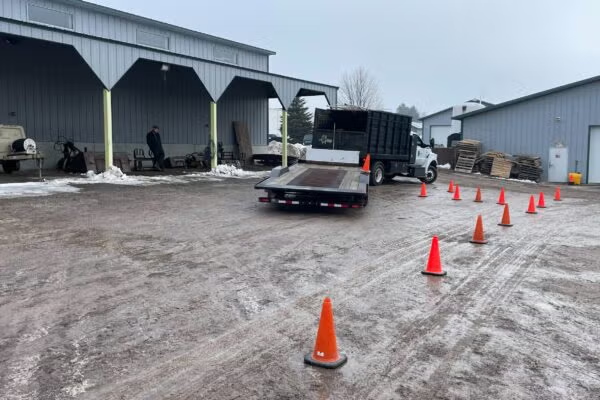
Driving may not be something you picture when thinking about an arborist’s routine, but operating vehicles to transport crew members and equipment is a vital component of our work. Doing so safely is imperative to the efficiency of the day, our well-being, and the...
Trees display their health through a variety of indicators seen above ground. Observations such as leaf shape/color, bark wounds, twig growth, and insect activity can all give clues to a tree’s health and possible issues. Our Certified Arborists interpret these...
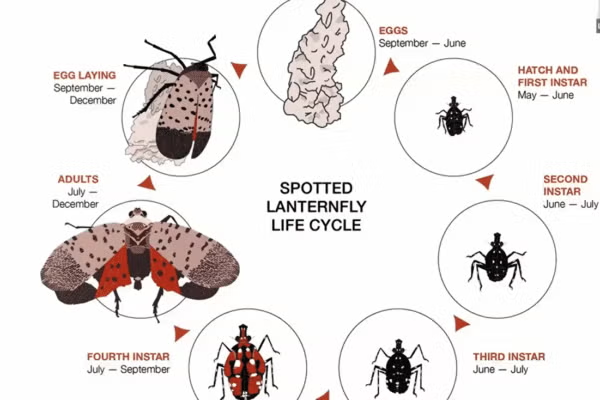
Spotted lanternfly is a type of leafhopper. Although it has wings, it is a weak flier. Unfortunately, this doesn’t make capturing them any easier because of their strong legs. They are incredibly good jumpers, avoiding predators by gliding to other trees. As a nymph,...